Mastering Commercial Grounds Maintenance: Key Strategies
A well-maintained exterior is the first impression of any commercial property, reflecting professionalism and attention to detail. Commercial grounds maintenance goes far beyond mowing lawns or trimming hedges; it’s about creating a thriving, attractive environment that enhances your brand and appeals to both clients and employees. Whether managing a corporate campus, office park, or retail complex, the right maintenance strategies can transform your outdoor spaces into inviting green areas that support business success. In this article, we share practical tips for effective commercial grounds maintenance, from soil care to seasonal management, helping you create landscapes that impress and endure.
Why Commercial Grounds Maintenance Matters for Businesses
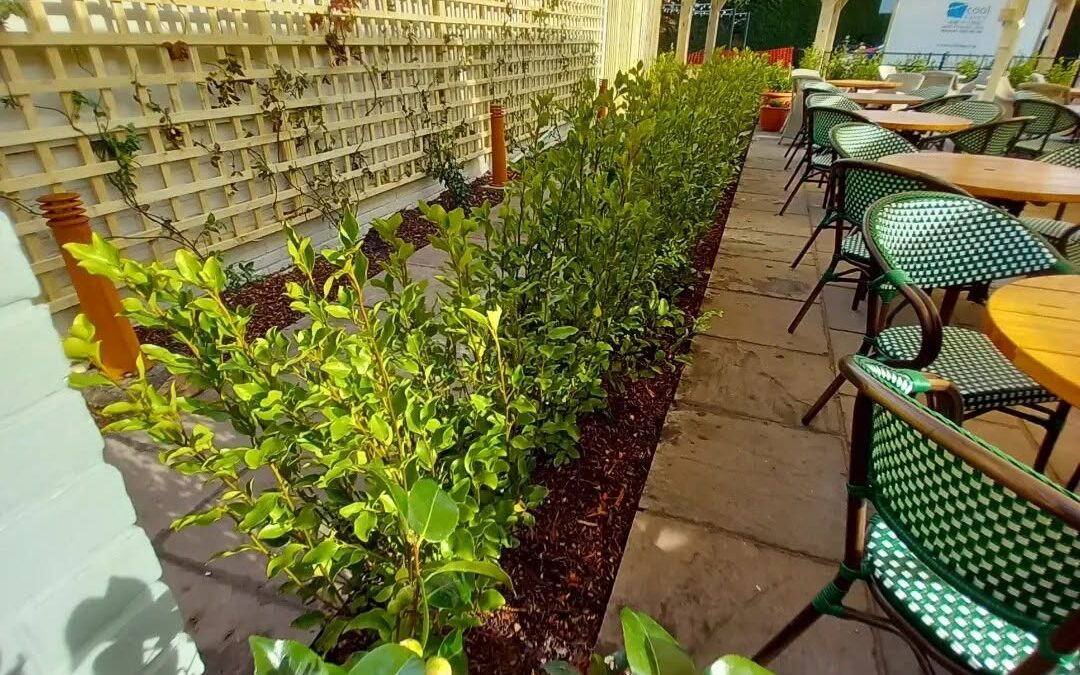
The exterior of your commercial property is often the first thing visitors notice. A tidy, well-maintained landscape conveys professionalism, care, and quality. Conversely, neglected lawns, overgrown shrubs, or unmanaged flowerbeds can create a negative impression, even before visitors enter your building.
Beyond aesthetics, an attractive landscape benefits employees. Green spaces can reduce stress, improve mood, and encourage wellbeing. Well-maintained outdoor areas also provide functional spaces for breaks, meetings, or company events, enhancing the workplace experience.
From a financial perspective, regular commercial grounds maintenance can increase property value, attract tenants, and reduce liability risks by keeping pathways clear and trees healthy. Investing in your landscape is ultimately an investment in the long-term success and sustainability of your property.
Core Elements of an Effective Commercial Grounds Maintenance Plan
Creating a successful maintenance plan requires a strategic approach tailored to your property’s unique needs. Here are key components:
1. Site Assessment
Begin with a thorough evaluation of your grounds. Analyse soil types, lighting, drainage, and existing vegetation. Understanding your property’s specific conditions allows you to develop a maintenance plan that works with your landscape, not against it.
2. Regular Maintenance Schedule
Consistency is crucial. Schedule routine tasks such as mowing, trimming, weeding, fertilising, and pruning. Lawns should be cut to the correct height, flowerbeds mulched to retain moisture, and plants fertilised according to seasonal requirements and soil conditions.
3. Efficient Irrigation
Proper watering ensures healthy plants while avoiding overwatering, which can lead to disease. Installing efficient irrigation systems—such as drip irrigation or smart controllers—helps deliver water where it’s needed most. Regular system checks are essential to maintain optimal performance.
Seasonal Grounds Maintenance Tips
Effective commercial grounds maintenance adapts to the seasons to keep landscapes healthy year-round.
Spring: Focus on clean-up, pruning, soil improvement, and preparing flowerbeds. Apply fertiliser to encourage growth and pre-emergent treatments to control weeds.
Summer: Manage heat stress by mulching, monitoring water needs, mowing regularly, and inspecting for pests and disease.
Autumn: Aerate and overseed lawns, remove leaves, and fertilise to support winter resilience.
Winter: Protect sensitive plants from frost, clear snow and ice from walkways, and maintain safety while preserving plant health.
Best Practices for Lawn Care and Turf Management
Healthy lawns are central to a polished commercial landscape. Best practices include:
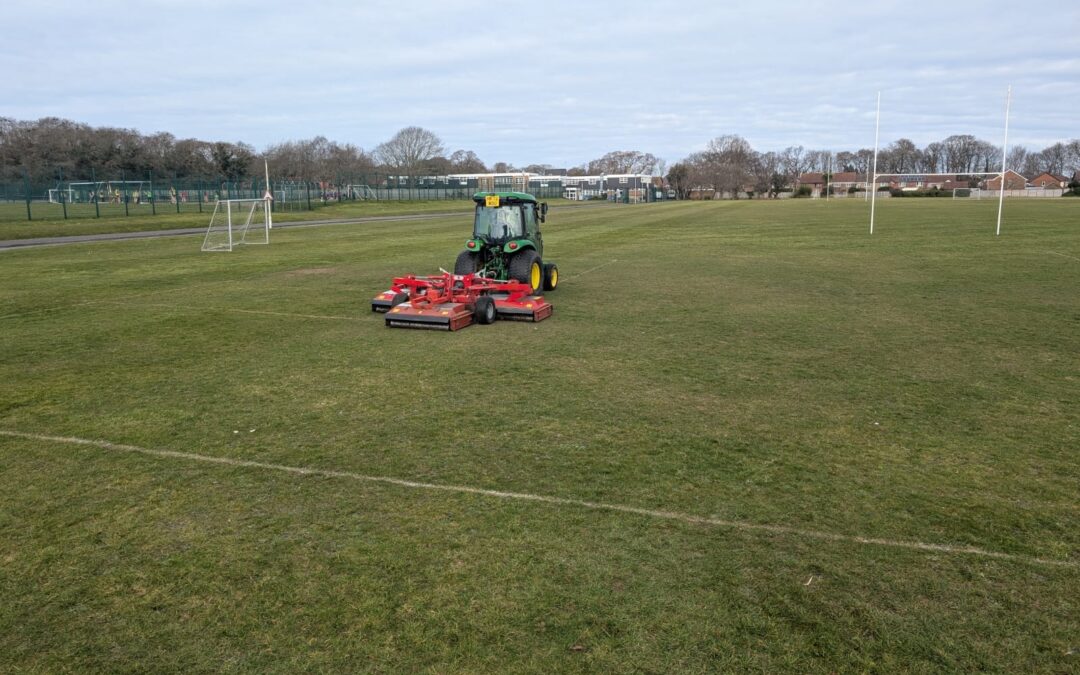
Mowing: Keep grass at 2.5–3.5 inches, never cutting more than one-third at a time. Sharp blades prevent tearing and disease.
Fertilising: Apply nutrients according to soil tests, focusing on nitrogen, phosphorus, and potassium as needed.
Aeration and Overseeding: Reduce soil compaction and improve root growth. Overseeding fills bare patches and enhances turf density.
Plant Selection and Landscaping Techniques
Choosing the right plants and landscaping techniques enhances beauty and reduces maintenance. Consider:
Native Plants: Adapted to local conditions, requiring less water and care.
Plant Diversity: Mix trees, shrubs, perennials, and annuals to create visual interest.
Hydrozoning: Group plants with similar water needs to improve irrigation efficiency.
Hardscaping: Walkways, patios, and retaining walls define spaces and complement greenery.
Irrigation and Water Management
Optimising irrigation is key to sustainable and effective grounds maintenance. Drip irrigation and smart controllers target water efficiently, reducing waste and promoting healthy growth. Regular inspections prevent leaks and ensure even coverage across the property. Seasonal adjustments maintain optimal hydration throughout the year.
Pest and Disease Management
A healthy landscape depends on proactive pest and disease control. Implement integrated pest management (IPM) strategies:
Monitoring: Conduct regular inspections for early detection of issues.
Cultural Practices: Choose disease-resistant plants, maintain soil health, and promote air circulation.
Targeted Intervention: Use biological, mechanical, or chemical treatments only when necessary, minimising environmental impact.
Sustainable Grounds Maintenance
Sustainable practices support long-term landscape health and reduce environmental impact:
Water Conservation: Efficient irrigation, drought-tolerant plants, and rainwater collection reduce usage.
Soil Health: Composting, mulching, and organic fertilisers promote nutrient-rich, resilient soil.
Reduced Chemicals: Utilise organic pest control and minimise synthetic fertilisers to protect the environment.
Conclusion: Elevating Your Commercial Landscape
Mastering commercial grounds maintenance is a strategic investment in both your property and your business’s reputation. By implementing a comprehensive plan—covering lawn care, plant selection, irrigation, pest control, and sustainability—you can create a lush, inviting landscape that impresses clients, supports employees, and enhances property value. With consistent care and expert techniques, your outdoor spaces will reflect the quality and professionalism your business represents.